Innovative Steel Solutions for Modern Homes
- Craig Hester
- Jul 6
- 4 min read

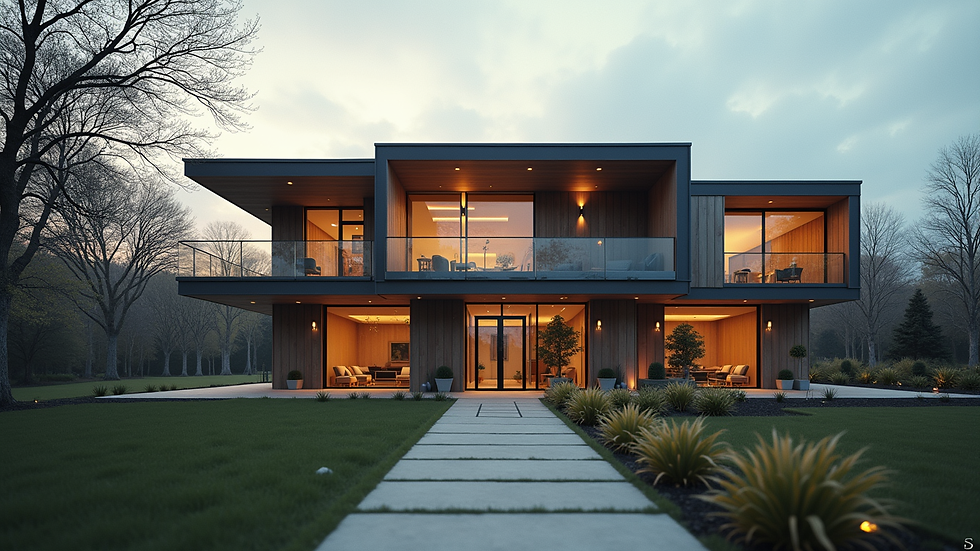
In the realm of home design and construction, steel has emerged as a versatile and innovative material that is transforming the way we think about modern living spaces. From structural frameworks to aesthetic finishes, steel offers a unique blend of strength, durability, and style. As homeowners increasingly seek sustainable and efficient building solutions, the use of steel in residential projects is becoming more prevalent. This blog post explores the various innovative steel solutions available for modern homes, highlighting their benefits, applications, and design possibilities.
The Benefits of Steel in Home Construction
Strength and Durability
One of the primary advantages of using steel in home construction is its exceptional strength. Steel can withstand extreme weather conditions, making it an ideal choice for homes in areas prone to hurricanes, earthquakes, or heavy snowfall. Unlike wood, steel does not warp, crack, or shrink over time, ensuring that your home maintains its structural integrity for years to come.
Sustainability
As environmental concerns continue to rise, many homeowners are looking for sustainable building materials. Steel is 100% recyclable, which means that it can be reused without losing its properties. This makes it a more sustainable option compared to traditional materials like wood, which often contribute to deforestation. Additionally, steel construction can lead to less waste during the building process, further enhancing its eco-friendly credentials.
Design Flexibility
Steel's versatility allows architects and designers to create innovative and unique home designs. With the ability to span large distances without the need for additional support, steel can facilitate open floor plans and expansive living spaces. This flexibility enables homeowners to customize their living environments to suit their personal tastes and lifestyles.
Innovative Applications of Steel in Modern Homes
Steel Framing
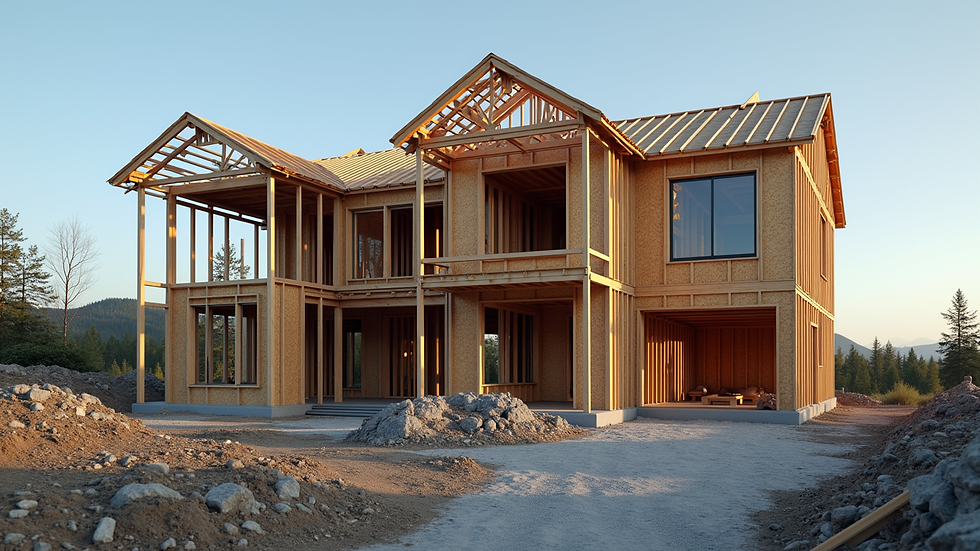
Steel framing is one of the most common applications of steel in residential construction. Unlike traditional wood framing, steel framing provides a stronger and more durable structure. This method allows for larger open spaces and can significantly reduce the risk of structural failure. Additionally, steel framing is resistant to pests and mold, making it a healthier choice for indoor environments.
Steel Roofs
Steel roofs are gaining popularity due to their longevity and low maintenance requirements. They can last up to 50 years or more, significantly outlasting traditional roofing materials. Steel roofs are also energy-efficient, reflecting solar heat and reducing cooling costs in warmer climates. Available in various styles and colors, steel roofing can complement any architectural design.
Steel Siding
Steel siding is another innovative solution that combines aesthetics with functionality. It offers a modern look while providing superior protection against the elements. Steel siding is resistant to fading, cracking, and warping, ensuring that your home maintains its curb appeal over time. Additionally, it requires minimal maintenance, making it a practical choice for busy homeowners.
Steel Windows and Doors
Incorporating steel into windows and doors can enhance both security and style. Steel frames provide a robust barrier against intruders while allowing for sleek, modern designs. Large steel-framed windows can maximize natural light and offer stunning views, creating a seamless connection between indoor and outdoor spaces.
Design Trends Featuring Steel
Industrial Aesthetics
The industrial design trend has gained traction in recent years, and steel plays a crucial role in this style. Exposed steel beams, pipes, and fixtures can create a raw, urban feel that appeals to many homeowners. This aesthetic can be achieved in both new constructions and renovations, allowing for a unique blend of modern and rustic elements.
Minimalism
Minimalist design emphasizes simplicity and functionality, and steel fits perfectly into this philosophy. Clean lines and open spaces can be achieved with steel framing and finishes, creating a serene and uncluttered environment. Steel's sleek appearance complements minimalist decor, making it a popular choice for contemporary homes.
Eco-Friendly Designs
As sustainability becomes a priority for many homeowners, eco-friendly designs are on the rise. Steel's recyclability and energy efficiency align well with green building practices. Incorporating steel into home designs can help achieve certifications such as LEED (Leadership in Energy and Environmental Design), appealing to environmentally conscious buyers.
Case Studies of Innovative Steel Homes
The Steel House in Mexico
Designed by architect Javier Senosiain, the Steel House in Mexico is a stunning example of how steel can be used creatively in residential architecture. The home features a unique organic shape, with steel framing allowing for expansive open spaces and large windows that bring the outdoors in. This innovative design not only showcases the versatility of steel but also emphasizes sustainability through its energy-efficient features.
The Modern Steel Cabin in Canada
Nestled in the Canadian wilderness, this modern steel cabin exemplifies the harmony between nature and contemporary design. The use of steel framing allows for large glass panels that provide breathtaking views of the surrounding landscape. The cabin's minimalist design and eco-friendly materials make it a perfect retreat for those seeking a connection with nature.
Challenges and Considerations
While steel offers numerous benefits, there are also challenges to consider when incorporating it into home designs.
Cost
Steel can be more expensive than traditional materials, which may deter some homeowners. However, the long-term savings on maintenance and energy costs can offset the initial investment. It's essential to weigh the upfront costs against the potential benefits over time.
Thermal Conductivity
Steel is a good conductor of heat, which means that homes built with steel framing may require additional insulation to maintain energy efficiency. Homeowners should work with architects and builders to ensure that proper insulation techniques are employed.
Corrosion
While steel is durable, it can be susceptible to corrosion if not properly treated. Homeowners should ensure that any steel components are coated or treated to prevent rust, especially in areas with high humidity or salt exposure.
Conclusion
Innovative steel solutions are revolutionizing the way we design and build modern homes. With its strength, sustainability, and design flexibility, steel is becoming a preferred material for homeowners and builders alike. From framing and roofing to siding and windows, the applications of steel are vast and varied. As we continue to embrace sustainable living and modern aesthetics, steel will undoubtedly play a significant role in shaping the future of residential architecture.
By considering the benefits and challenges of steel, homeowners can make informed decisions about incorporating this versatile material into their living spaces. Whether you're building a new home or renovating an existing one, exploring innovative steel solutions can lead to a more durable, stylish, and sustainable living environment. Embrace the future of home design with steel and create a space that reflects your unique style and values.

Comments