Building Your Dream Home with Steel Structures
- Craig Hester
- Jul 6
- 4 min read

Building a home is one of the most significant investments you will ever make. It’s not just about bricks and mortar; it’s about creating a space that reflects your personality, meets your needs, and stands the test of time. In recent years, steel structures have emerged as a popular choice for home construction, offering a range of benefits that traditional materials simply cannot match. This blog post will explore the advantages of using steel in home building, the design possibilities it offers, and practical tips for incorporating steel structures into your dream home.

The Advantages of Steel Structures
Durability and Strength
One of the most compelling reasons to choose steel for your home is its durability. Steel is resistant to many of the common issues that plague traditional building materials, such as:
Pests: Unlike wood, steel is not susceptible to termites or other pests.
Weather: Steel can withstand extreme weather conditions, including high winds and heavy snowfall.
Fire: Steel is non-combustible, providing an added layer of safety against fire hazards.
These properties mean that a steel structure can last for decades, if not longer, with minimal maintenance.
Cost-Effectiveness
While the initial cost of steel may be higher than traditional materials, the long-term savings can be significant. Steel structures often require less maintenance and repair, which can lead to lower costs over time. Additionally, the speed of construction with steel can reduce labor costs, allowing you to move into your new home sooner.
Design Flexibility
Steel offers incredible design flexibility. Its strength allows for larger open spaces without the need for numerous support columns, giving you the freedom to create a layout that suits your lifestyle. Whether you envision a spacious open-plan living area or a unique architectural feature, steel can accommodate your vision.
Sustainability
In an age where sustainability is a priority, steel stands out as an environmentally friendly option. Steel is 100% recyclable, meaning that it can be reused without losing its properties. By choosing steel, you are not only investing in a durable structure but also contributing to a more sustainable future.
Designing Your Steel Home
Architectural Styles
Steel structures can be adapted to various architectural styles, from modern to traditional. Here are a few popular styles that work exceptionally well with steel:
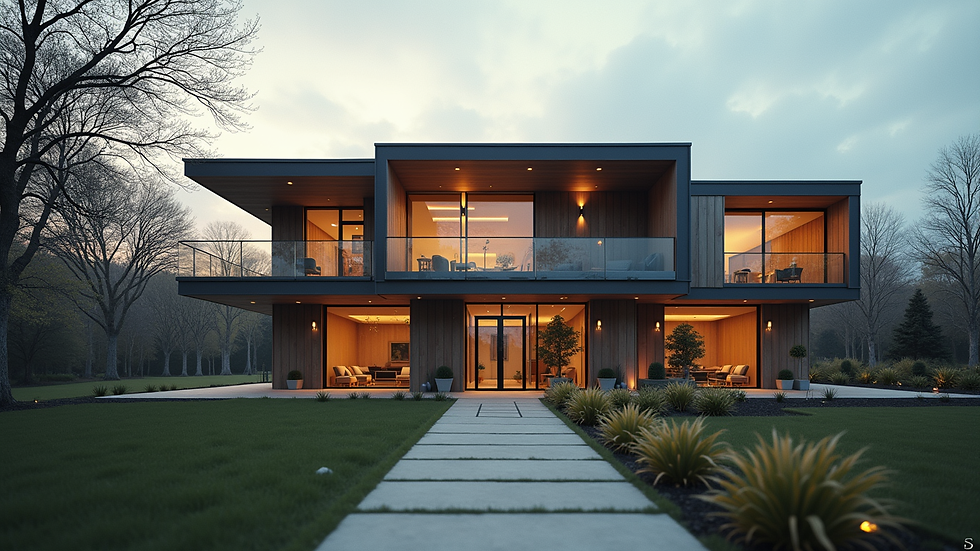
Modern Minimalism: Clean lines and open spaces define this style. Steel can be used to create sleek, contemporary designs that emphasize simplicity.
Industrial Chic: This style embraces the raw, unfinished look of steel. Exposed beams and metal accents can create a trendy, urban feel.
Rustic Retreat: Steel can be combined with natural materials like wood and stone to create a warm, inviting atmosphere while maintaining durability.
Customization Options
When building with steel, the customization options are virtually limitless. You can choose from various finishes, colors, and textures to create a unique look. Additionally, steel can be easily shaped and molded, allowing for intricate designs that would be challenging with traditional materials.
Energy Efficiency
Incorporating energy-efficient features into your steel home can significantly reduce your utility bills. Consider the following options:
Insulation: Use high-quality insulation materials to keep your home comfortable year-round.
Windows: Install energy-efficient windows that minimize heat loss and gain.
Solar Panels: Steel roofs can support solar panel installations, allowing you to harness renewable energy.
Practical Tips for Building with Steel
Work with Experienced Professionals
When building a steel structure, it’s crucial to work with professionals who have experience in this type of construction. Look for architects and contractors who specialize in steel buildings to ensure that your project runs smoothly.
Understand Local Building Codes
Before starting your project, familiarize yourself with local building codes and regulations regarding steel construction. This knowledge will help you avoid potential issues and ensure that your home meets all safety standards.
Plan for the Future
Consider your long-term needs when designing your steel home. Think about how your family may grow or change over time and plan for potential expansions or modifications. Steel structures can be easily adapted, making it easier to accommodate future needs.
Budget Wisely
While steel can be a cost-effective option in the long run, it’s essential to budget wisely for your project. Factor in not only the initial costs but also potential savings on maintenance and energy bills. Be sure to include a contingency fund for unexpected expenses.
Real-Life Examples of Steel Homes
The Steel House by David McCauley
Located in the heart of Texas, the Steel House is a stunning example of modern architecture. This home features a sleek, minimalist design with large open spaces and floor-to-ceiling windows. The use of steel allows for expansive views of the surrounding landscape while providing a durable and low-maintenance structure.
The Eco-Friendly Steel Home by Green Building Solutions
This innovative home showcases the sustainability benefits of steel construction. Built with recycled materials and energy-efficient features, it serves as a model for eco-friendly living. The design incorporates natural light and ventilation, reducing the need for artificial heating and cooling.
Conclusion
Building your dream home with steel structures offers numerous advantages, from durability and cost-effectiveness to design flexibility and sustainability. By understanding the benefits and practical considerations of steel construction, you can create a home that not only meets your needs but also stands the test of time. As you embark on this exciting journey, remember to work with experienced professionals, plan for the future, and budget wisely. Your dream home is within reach, and steel may just be the perfect material to bring your vision to life.
Comments